How to Identify the Best General Contractor for Your Forthcoming Home Project
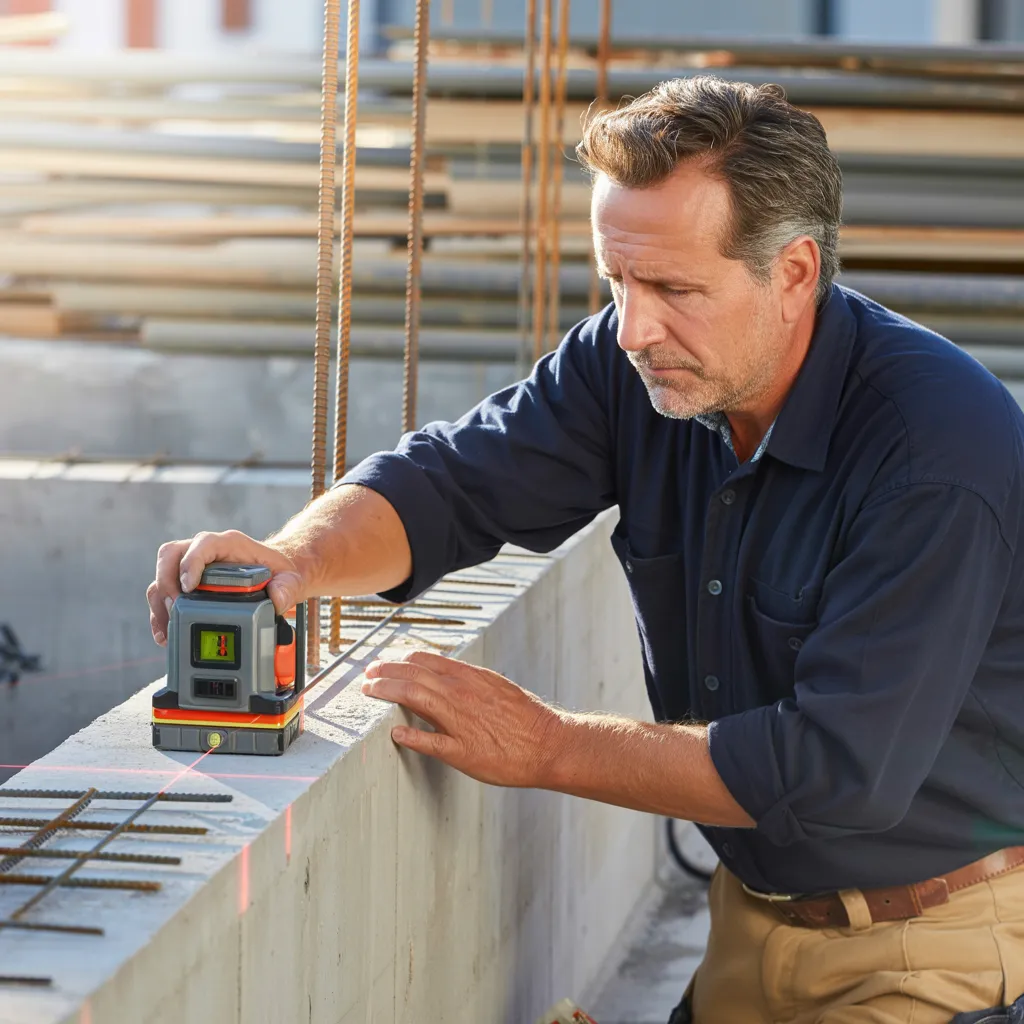
Selecting the appropriate general contractor for your home project is a critical choice. This requires careful consideration of multiple elements, such as experience, credentials, and ability to communicate. Many property owners miss key aspects, leading to costly mistakes. Understanding how to assess potential contractors can make a significant impact. By focusing on essential criteria and asking the right questions, one can manage this intricate undertaking more efficiently. What are the important measures to ensure a productive collaboration?
Tips to Sidestep Common Traps When Hiring a Contractor
When appointing a general contractor, how should one approach the countless options without making frequent blunders? Prospective clients often miss key details that can lead to unsatisfactory outcomes. First, relying solely on price can be incorrect; the lowest bid may suggest below-average results or extra fees. Additionally, neglecting to check references or online reviews can result in engaging a contractor with bad reviews. It is also essential to refrain from judging only by personality; a personable contractor may not have the proper expertise or dependability. Moreover, not setting explicit communication and goals can lead to confusion and disappointment. Finally, omitting comprehensive contract evaluation before signing can result in unexpected obligations or lack of protection. By being vigilant and informed, homeowners can make sounder judgments, ultimately leading to a successful project.
Critical Factors to Examine in a Contractor's Professional History
When assessing a contractor's experience, multiple important elements come into play. Relevant project experience, professional credentials, and an comprehensive collection of completed work function as essential markers of their competencies. Evaluating these aspects can offer valuable insights into the contractor's suitability for the specific project at hand.
Applicable Assignment History
Recognizing a contractor's applicable work history is essential for guaranteeing the positive outcome of any construction endeavor. Potential customers should assess the contractor's body of work, focusing on finished work similar in scope and style to their own. This involves examining the quality of workmanship, compliance with schedules, and cost control in past projects. Additionally, it is beneficial to ask regarding the kinds of substances employed and the contractor's familiarity with local building codes and regulations. Reviews and recommendations from previous customers can shed light on the contractor's reliability and ability to examine now communicate. In the end, a contractor with considerable applicable expertise can navigate challenges successfully, guaranteeing the undertaking meets the homeowner's expectations and standards.
Industry Certifications And Permits
Certification and permits serve as crucial indicators of a contractor's professionalism and expertise in the construction field. When selecting a general contractor, it is necessary to verify that they possess the necessary licenses mandated by local and state regulations. These licenses indicate compliance with building codes and safety standards. Additionally, industry certifications, such as those from the National Association of Home Builders or related organizations, demonstrate a contractor's commitment to quality and ongoing education. Contractors with specialized certifications may also possess skills in specific areas, such as green building or remodeling. Ensuring that a contractor has the appropriate credentials not only increases confidence in their capabilities but also minimizes potential legal and financial risks during the project.
Portfolio Of Done Work
The builder's portfolio of accomplished tasks acts as a essential means for evaluating their abilities and background. This compilation should display a range of projects, demonstrating versatility in different styles and complexities. When analyzing a portfolio, possible buyers must check for professional pictures that depict the workmanship involved. It is useful to see assignments that align with the homeowner's individual preferences or aesthetic preferences. Attention to detail, innovative solutions, and respecting schedules are key signs of a contractor’s competence. Furthermore, user endorsements or project analyses included in the portfolio provide enhanced perspective into the contractor's professionalism and reliability. Finally, a robust portfolio assists homeowners to decide confidently regarding their future jobs.
Guide to verifying Your Contractor's Professional Credentials and Permits
Before hiring a general contractor, it is essential to confirm their qualifications and certifications to ensure they satisfy industry standards. Start by checking with municipal licensing authorities to verify that the contractor holds the necessary licenses for your location and job scope. Each state has its own requirements, so understanding these can prevent subsequent issues.
Furthermore, ask regarding insurance coverage, including liability and workers' compensation, to ensure protection against potential accidents or damages. Request references from previous clients and follow up to gauge satisfaction and reliability.
Finally, examine any certifications the contractor may have, as these often indicate advanced expertise and adherence to industry best practices. A thorough verification process not only ensures adherence but also builds confidence in the contractor's ability to complete the project successfully.
Why Dialogue Is Essential in Your Contractor Partnership
Essential dialogue plays a important role in the relationship between contractors and clients, determining the project's success from the beginning. Clear communication sets expectations, timelines, and budgets, guaranteeing both parties are in agreement on the project's goals. When clients articulate their vision effectively, contractors can provide knowledgeable recommendations and solutions, improving the overall outcome.
Frequent check-ins and open lines of communication facilitate speedy resolution of issues as they occur, limiting potential delays. Additionally, a contractor who pays heed and responds client feedback nurtures trust, which is indispensable for collaboration.
Additionally, effective communication assists in managing modifications and unexpected obstacles, maintaining the project on track. It allows the contractor to modify strategies based on customer input, guaranteeing contentment throughout the project. Ultimately, prioritizing dialogue not only strengthens the contractor-client relationship but also greatly contributes to the successful finishing of the home project.
Important Queries to Discuss with Your Contractor During Initial Meetings
When consulting with a contractor initially, clients should focus on comprehending their experience and qualifications. It's crucial to ask regarding the project timeline and budget to guarantee consistency with the client's expectations. These questions establish a base for a successful partnership and effective project management.
Experience and Background
Selecting a contractor copyrights on understanding their background and credentials. Homeowners should ask about the contractor's years in the industry and the types of projects they have completed. Specific questions regarding licenses, certifications, and coverage are crucial, as these ensure compliance with local regulations and provide protection during the project. Additionally, examining previous work through showcases or references can offer insight into the contractor's craftsmanship and reliability. It is also helpful to ask about their experience in similar projects, as this can demonstrate their ability to manage specific challenges. Ultimately, evaluating a contractor's credentials and background builds trust and helps homeowners make informed decisions about their home projects.
Project Timeline and Budget
increasing the chances of a successful project.
Guidelines for Reviewing References and Exploring Reviews
What approaches should one take to guarantee a general contractor is reliable? First, it is essential to request a list of testimonials from potential contractors. A renowned contractor will unhesitatingly share names and contact information of previous clients. One should call these references to explore their experiences, concentrating upon aspects such as communication, quality of work, and adherence to timelines.
Additionally, perusing online reviews on platforms like Google, Yelp, or Angie's List can offer valuable information. It is important to identify patterns in the reviews—recurring compliments or criticism can indicate reliability or possible issues.
Furthermore, examining any grievances submitted with local licensing boards or consumer protection agencies can reveal a contractor's history. Finally, requesting recent project photos can help evaluate the caliber of their craftsmanship. By taking these steps, one can make a more educated decision when selecting a general contractor.
Grasping Vendor Pricing and Payment Agreement
Property owners ought to familiarize themselves with customary payment terms. Most contractors call for a deposit beforehand, accompanied by progress payments contingent on project milestones. It's essential to settle these terms before approving a contract to prevent misunderstandings. Also, homeowners should check potential hidden expenses, such as permits or unforeseen maintenance. Clear dialogue regarding fee structure and payment terms will help establish a forthright working relationship, which ultimately leads to a successful project outcome. Grasping these elements enables homeowners to opt wisely when hiring a general contractor.
Frequently Requested Questions
What Schedule Should We Anticipate for Project Delivery?
Project timeline generally fluctuates depending on scope and complexity. Typically, it may take multiple weeks or months. Factors including climate conditions, availability of materials, and workforce availability can significantly impact the completion timeline.
What Happens if Unforeseen Problems Arise During Building?
If unexpected issues arise during building, the contractor usually assesses the circumstances, communicates with the homeowner, and proposes remedies. Changes to the timeline and budget might be required, ensuring openness throughout the process.
Will My Undertaking Need Permits or Inspections?
Most undertakings necessitate permits along with inspections to guarantee adherence with local building codes. It is crucial to consult with a construction contractor who comprehends these requirements, as they can navigate the permitting process skillfully.
How Do You Oversee Subcontractors and Their Payments?
A reputable general contractor coordinates subcontractors by instituting clear contracts stipulating payment terms. They assure expedient payments, encourage clear dialogue, and observe subcontractor capabilities, nurturing a unified atmosphere that contributes to project completion and effectiveness.
What Guidelines Do You Have Regarding Project Changes or Upgrades?
The contractor maintains a flexible approach to shifting project needs, calling for written records for any add-ons. They guarantee clear communication, assess financial ramifications, and fine-tune project timelines accordingly to accommodate the client's evolving needs and preferences.